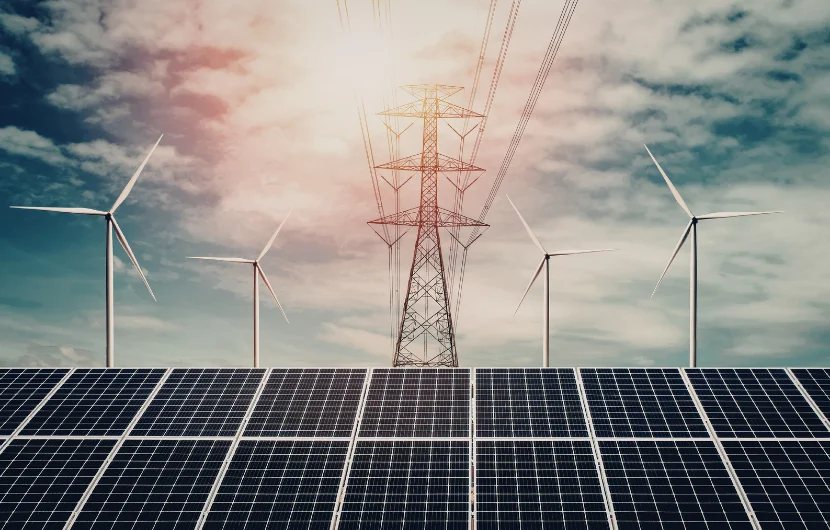
With rising electricity bills and frequent power outages, more homeowners and businesses across Pakistan are turning to solar power as a reliable and cost-effective alternative. And it’s easy to see why — solar energy offers long-term savings, energy independence, and a cleaner, greener future.
But for many, the switch to solar can feel overwhelming. How does it work? Is it worth the investment? What do you need to get started? In this guide, we break it all down for you — simply and clearly.
What is Solar Power and How Does It Work?
Solar power works by converting sunlight into electricity using photovoltaic (PV) panels installed on your roof or property. These panels capture energy from the sun and convert it into usable electricity that powers your home or business. Any excess energy generated can either be stored in a battery system or fed back into the national grid through net metering — meaning you could actually earn credits on your electricity bill.
It’s clean, renewable, and once installed, largely maintenance-free.
1. The Rising Need for Solar in Pakistan
Pakistan faces one of the most challenging energy landscapes in the region. Frequent load shedding, unpredictable electricity costs, and an over-burdened national grid have made reliable power a constant concern for both households and businesses.
Solar power offers a practical solution. By generating your own electricity, you become less dependent on the grid and more in control of your energy consumption and costs. For businesses especially, uninterrupted power means uninterrupted productivity.
2. Key Benefits of Going Solar
Significant Cost Savings Once your solar system is installed, your monthly electricity bills drop dramatically. Most residential and commercial solar systems pay for themselves within 3 to 5 years — and continue saving money for 20 to 25 years after that.
Energy Independence No more worrying about load shedding or fluctuating tariffs. With solar panels and a proper UPS or battery backup system, your home or business stays powered even when the grid goes down.
Increased Property Value Properties equipped with solar systems are increasingly attractive to buyers and tenants. A solar installation is not just an expense — it’s an investment that adds real value to your property.
Environmentally Friendly Solar energy produces zero carbon emissions, making it one of the cleanest energy sources available. By going solar, you’re actively contributing to a healthier environment for future generations.
3. Residential vs Commercial Solar — What’s the Difference?
Residential Solar Designed for homes and apartments, residential solar systems are typically smaller in capacity and focused on reducing household electricity bills and providing backup power during outages. They are ideal for families looking to lower monthly expenses and gain energy independence.
Commercial Solar Commercial solar systems are larger and designed to meet the higher energy demands of offices, factories, plazas, and retail spaces. For businesses, the return on investment is even more significant given the higher volume of electricity consumed daily.
UPS & Battery Backup Systems For properties that need round-the-clock power reliability, a solar UPS system provides seamless backup during outages — keeping critical equipment, lighting, and systems running without interruption.
At On Demand Procure, we offer all three solutions tailored to your specific energy needs and budget.
4. What to Expect During Installation
Many people hesitate to go solar because they worry about the installation process being complicated or disruptive. In reality, a professional solar installation is straightforward and typically completed within a few days.
Here’s what the process looks like with On Demand Procure:
- Step 1 — Site Assessment: Our team visits your property to assess your energy needs, roof space, and sun exposure.
- Step 2 — System Design: We design a customized solar solution tailored to your consumption requirements and budget.
- Step 3 — Installation: Our certified technicians install the panels, inverter, and wiring with minimal disruption to your daily routine.
- Step 4 — Testing & Handover: We test the entire system thoroughly and walk you through everything you need to know before handover.
- Step 5 — Ongoing Support: We remain available for any maintenance or support needs after installation.
5. Is Solar Worth It in Pakistan?
Absolutely. Pakistan receives an average of 5 to 7 hours of peak sunlight per day — making it one of the most solar-friendly countries in the world. Combined with rising electricity tariffs and government incentives for net metering, the financial case for going solar has never been stronger.
Whether you’re a homeowner tired of high bills or a business owner looking to cut operational costs, solar power is one of the smartest investments you can make right now.
Conclusion
Switching to solar is no longer just an environmental choice — it’s a financial and practical one. With the right partner guiding you through the process, the transition is smooth, affordable, and rewarding from day one.
At On Demand Procure, we make going solar simple. From initial consultation and system design to full installation and after-sales support — we handle every step so you can start enjoying the benefits of clean, reliable energy as soon as possible.